Tips
Why Homeshoring Is Emerging as One of the Most Eco-Friendly Alternatives in the BPO Industry
The environmental footprint of customer support operations is often underestimated. Yet the BPO industry, powered by large offices, energy-intensive infrastructure, and daily commuting represents a significant and growing source of emissions.
A few key figures highlight the scale of the challenge:
Commercial buildings account for nearly 40% of global energy-related CO₂ emissions. (Source: World Green Building Council)
Transportation remains one of the world’s fastest-growing emission sectors, heavily influencing the environmental cost of office-based service operations. (Source : United Nations Environment Programme)
Remote-first work models can cut carbon emissions by more than half compared to traditional office setups, depending on the energy mix and commuting patterns involved. (Source : Proceedings of the National Academy of Sciences)
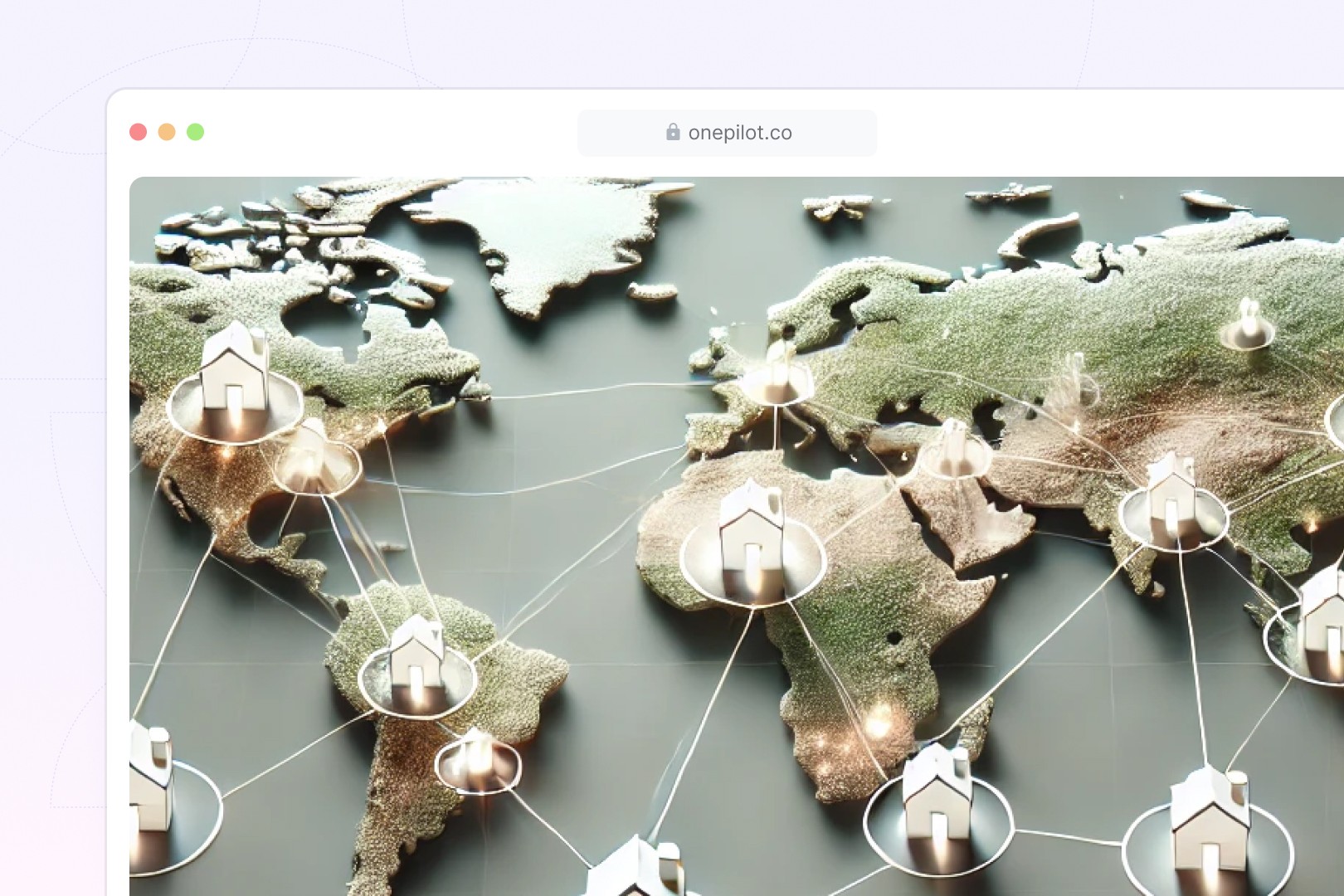
In this context, home-shoring, a distributed, remote-native approach to customer support, is becoming an increasingly powerful lever for environmental responsibility.
Rethinking the Environmental Impact of BPO: A CSR Priority
The traditional outsourcing model is structurally tied to high CO₂ emissions. Centralized service centers, urban relocation, and daily staff transportation all contribute to a carbon-intensive system that struggles to align with modern CSR expectations.
1. High energy consumption from centralized offices
Large customer support centers require constant cooling, lighting, and equipment power. Even efficient buildings generate a sizable energy footprint simply due to their scale.
2. Commuting as a predictable, recurring source of emissions
From cars to public transport, thousands of daily commutes compound quickly. Transportation often represents one of the biggest indirect emission drivers in the BPO lifecycle.
3. Overconcentration in urban areas
By clustering jobs in urban areas, traditional BPO models amplify urban congestion and increase energy intensity.
This environmental reality is increasingly hard to ignore. But it’s also an opportunity for transformation.
Home-Shoring: A Structurally Greener Alternative
Homeshoring: where customer support agents work remotely from their local regions, doesn’t just offer flexibility. It removes some of the largest emission sources in the outsourcing equation.
1. Significant CO₂ reduction through fewer commutes & smaller office footprints
When the daily commute disappears, emissions drop immediately.
When large offices are no longer required, energy consumption shrinks drastically.
Industry analyses show that remote-first models can reduce carbon emissions by half compared to classic office-based BPO operations. (Source: Proceedings of the National Academy of Sciences).
This is not a marginal efficiency gain, it’s a systemic advantage.
Comparison of Greenhouse Gas Emissions of a Customer Service Call Center vs Full Homeshoring - Annual Modeling Based on 100 Customer Service Agents
Workstation | Traditional Call Center (t CO₂/year) | Homeshoring (t CO₂/year) |
Commuting | 1.2 | 0 |
Building Energy | 0.6 | 0 |
IT Equipment | 0.2 | 0.2 |
Home Energy | 0 | 0.4 |
Occasional Travel | 0 | 0.05 |
Total | 2 | 0.65 |
Total (%) | 100% | 32.50% |
2. Local employment without added environmental cost
Homeshoring enables people to work wherever they live:
No relocation pressure
No long-distance commuting
No metropolitan dependency
This strengthens regional economies without increasing transport emissions, aligning environmental sustainability with social impact.
3. Lower resource consumption at scale
Remote-native teams naturally reduce:
office materials
real estate usage
energy intensity
daily waste
The result: a lighter, more efficient operational model that performs better on nearly every environmental metric.
Conclusion: Homeshoring Isn’t Just About Work Flexibility, It’s an Environmental Strategy
In a world where operational decisions have measurable climate consequences, companies are re-evaluating how their customer support is structured. Homeshoring stands out as one of the most environmentally responsible models available today, reducing emissions at the source, empowering local communities, and reshaping the BPO industry into a more sustainable ecosystem.
As environmental expectations grow, home-shoring provides a clear path toward eco-friendly, future-proof customer support.
Stay informed with the latest guides and news.